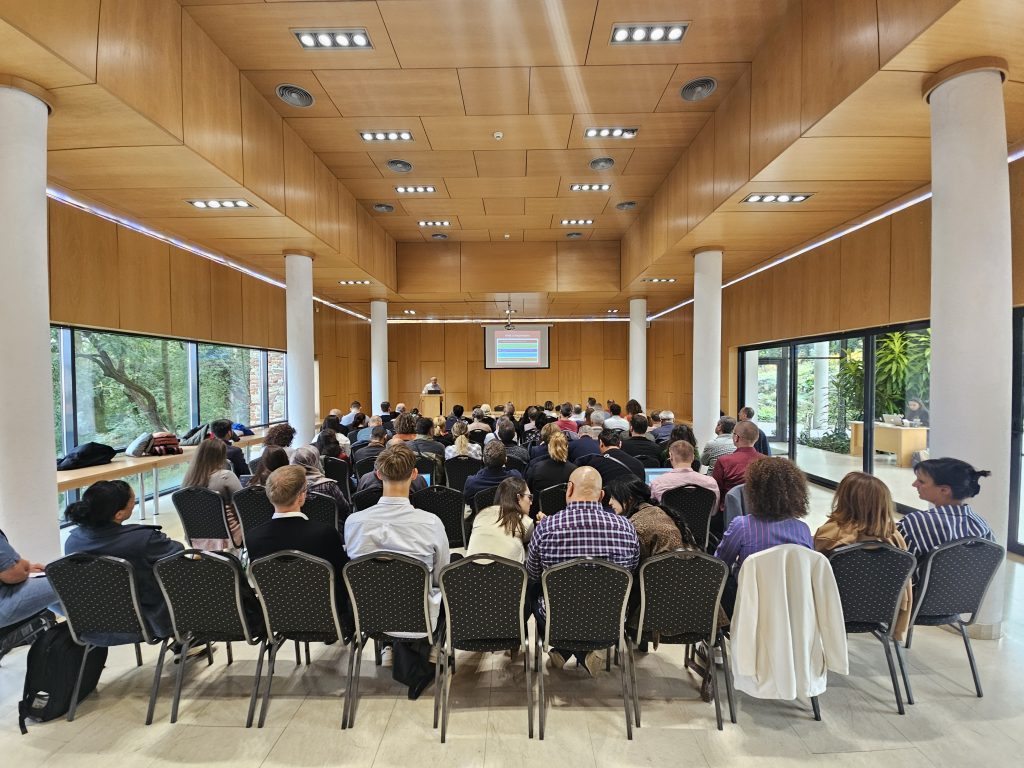
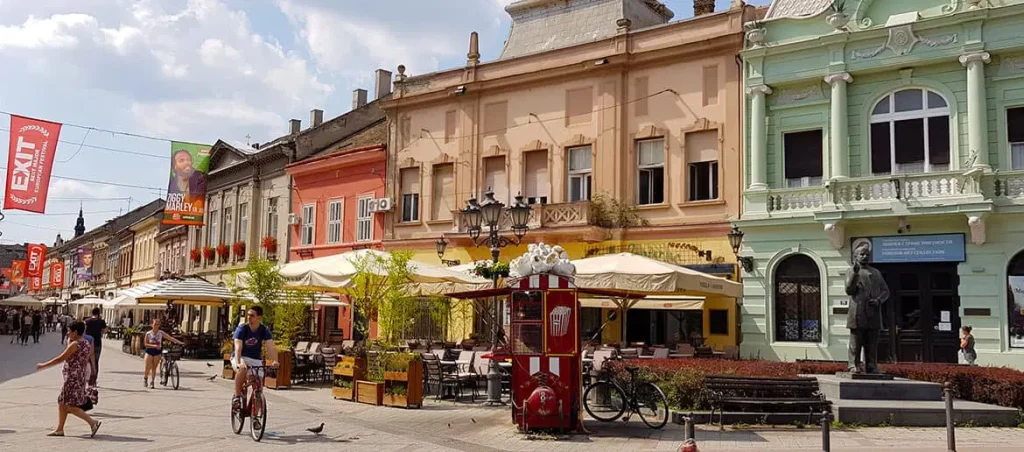
PRAGMATICK Workshop in Vienna

Ticks – now and then. Is prediction of abundance possible?

Place: Vienna
Venue: Vienna Marriott Hotel, Austria
Local organizer: Michiel Wjinvield, Georg Duscher

This workshop is going to discuss the possibilities to predict tick abundance and tick spreading by using forecasting tools. The use of simple temperature-based models as well as sophisticated models including complex parameters will be presented. Their potential and need will be evaluated among tick specialists. Furthermore, the interdisciplinary link between modellers and entomologists will be tightened to enable further cooperations.

Objectives:

  • to identify and map current tick forecasting activities in the action
  • to sneek into the world of modellers to experience their need
  • to discuss a common and consolidated approach on ticks and climate change
  • critically discuss the potential and possibilities of these models
  • to foster sustained collaboration between tick biologists, ecologists, and
    modeller

AGENDA

22 March, 2026
A more detailed program will be available soon.

09.00-09.15    Welcome by local organizers (Michiel Wjinvield)
09.15-09.30    WG 3 (Georg Duscher, Laura Tomassone)
09.30-10.00    Keynote Lecture (Johanna Wittholm) – The national Project “CD Risk”; Hyalomma ticks in Austria?
10.00-10.30     Keynote Lecture (Donal Bisanzio) – TBA
10.30-11.00      Coffee break
11.00-11.30      Keynote Lecture (Agustín Estrada-Peña – TBA
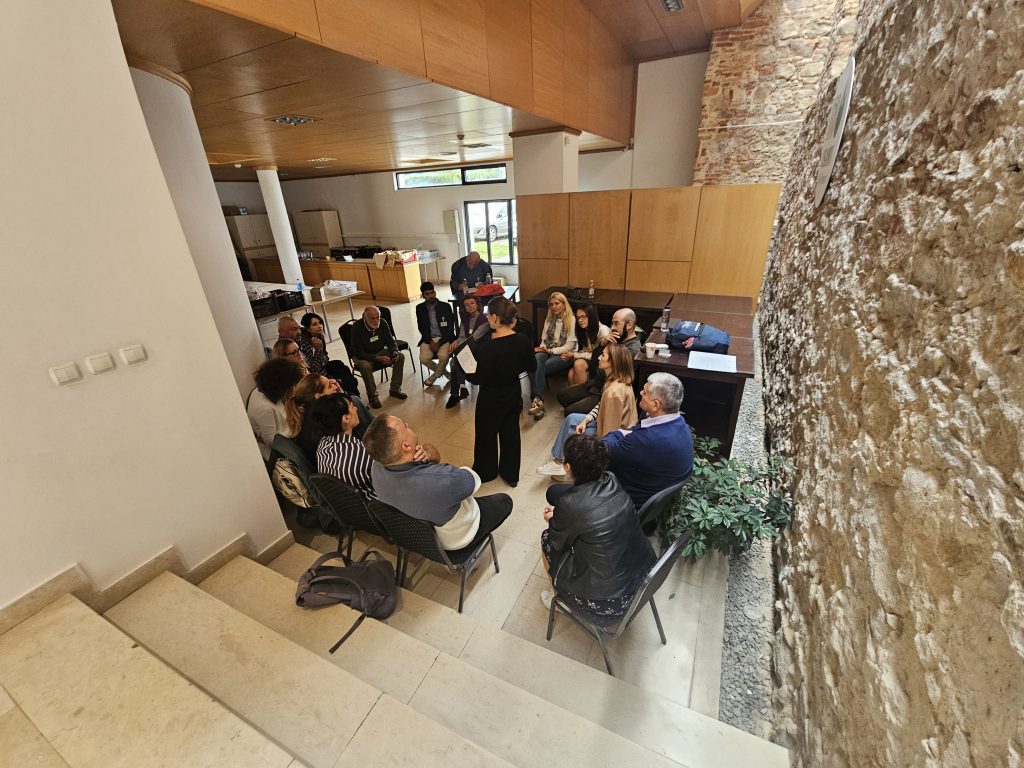
11.30-12.30      Workshop: Tour the table – Does countries do prediction? Which ticks? (Georg Duscher, Laura Tomassone)
12.30-13.00     Next steps for a more common approach
13.00-14.00     Lunch

Doctoral researcher position on ticks as a feature of socio-ecological systems

Prof. Sophie Vanwambeke at the Earth and Life Institute at UCLouvain in Belgium and Prof. Patrick Leighton at the Faculty of Veterinary medicine at Université de Montréal seek highly qualified and motivated candidates for:

A doctoral researcher position on ticks as a feature of socio-ecological systems

The researcher will contribute to the project “Climat, habitat et tiques: une approche multisectorielle Une Seule
Santé pour prioriser les interventions environnementales” funded by the FNRS (Fonds National de la Recherche
Scientifique) and FRQ (Fonds de recherche du Québec) and carried out in collaboration between UCLouvain and
Université de Montréal. Contracts will be split between Belgium and Québec and based on local respective
regulations, depending on prior research experience. This offer is also published on Euraxess.

Review of applications will start on November 15, 2025.
Starting date: As soon as possible.

Objectives:

  • To monitor ticks along ecological gradients in recreational forests in the region of Montréal and Brussels
  • To analyse tick abundance data
  • To collect and analyse tick abundance data in relation to forest management in the context of climate change
  • To apply an existing population dynamic model to our study cases

Project summary:
Ticks of the genus Ixodes are the main vectors of pathogens on both sides of the North Atlantic, transmitting Borrelia spp. among others in zoonotic cycles. Many similarities exist between the Quebec and European (including Belgian) transmission systems, not only in the biology of the species concerned, but also in the ecological and anthropogenic dynamics that have determined the strength of the transmission cycles and the dynamics of the distribution area. The role of climate change on the distribution and abundance of ticks has generated much research, but many questions remain about the interactions between climate and tick habitat, making the evaluation of environmental control strategies complex. The links between vegetation and habitat must be reexamined in the context of climate change in view of the incidence of tick bites outside forests, often considered the primary habitat of ticks. Furthermore, as
management methods for forest environments and other environments such as parks and gardens evolve within the framework of resilience to climate change and the conservation of biodiversity, it is appropriate to question the effect of these practices on the abundance of ticks. Our project will therefore focus on the interaction between climate and vegetation, a fundamental question linked to tick ecology and the evolution of landscapes, but also on the question of reconciling management objectives with prevention needs. In order to achieve our objectives, we will mobilize quantitative modelling of field data as well as methods of evaluation and ranking of priorities by managers, in a multidisciplinary approach based on the One Health framework.

Profile required:
A researcher holding a MSc degree in a field relevant to the project objectives (e.g. geography, biology, epidemiology
and public health). The person recruited will have competence in statistical analysis and GIS, experience or at least
interest in carrying out field work and interacting with forest managers at various levels. The position will require the
candidate to spend time both in UCLouvain and in UdeM. The candidate should demonstrate a good command of
English, and knowledge of French will be considered a plus, and the ability to work in a collaborative environment.
Interest in disease ecology/epidemiology and the One Health approach is a must.

Work environment:
The researcher will work partly in UCLouvain, in a team working on the geography of health using a range of modelling tools and on a diversity of systems, and partly in UdeM in a team focused on disease ecology, in particular of tick-borne disease, in the context of One Health and public health. The hiring teams are respectively part of the Earth & Climate research centre, Earth & Life Institute (UCLouvain, Louvain-la-Neuve, Belgium), and Faculté de médecine vétérinaire, Université de Montréal.

Candidates should submit a cover letter detailing motivation to pursue a PhD, qualifications and research interests,
detailed CV, and names and contacts of two referees to:
Prof. Sophie Vanwambeke – sophie.vanwambeke@uclouvain.be

Download the full call: LINK

PhD position: Spatiotemporal Dynamics of Disease Vectors

PhD position open at CIRI, Lyon, France

“Understanding host-pathogen interaction processes that control Orthonairovirus transmission”

Date of publication: 30th October 2025
Deadline for application: 31st January 2026

The team HEAL – Hepatotropic and Emerging Agent Laboratory – at CIRI is welcoming applications from
enthusiastic and independent PhD candidates to start research projects on the cellular and molecular aspects
of “Orthonairovirus: molecular determinants of transmission”. Orthonairovirus are emerging, tick-borne
viruses such as the Crimean-Congo Hemorrhagic Fever Virus. In humans, CCHFV causes a hemorrhagic
disease with a 30% mortality rate and is classified as a BSL-4 virus. In animals (including cattle, a natural host
of the virus) infection is asymptomatic. We have identified host factors from bovine and human with
differential activity against CCHFV. The aim of the PhD candidate will be to understand how CCHFV is
affected by these host factors and unraveled the molecular basis explaining the difference observed between
the bovine and human orthologs. Using different approaches (such as cellular biology, molecular biology,
microscopy, cytometry, western blot, RT-qPCR) identified host factor candidates will be analyzed for their
role during CCHFV (and other Orthonairoviruses) cell entry, replication/transcription/translation and
assembly/secretion of the viral cycle.

Environment:

The host team is part of the CIRI – International Center for Infectiology Research
(https://ciri.ens-lyon.fr), in Lyon, France. The laboratory provides state-of-the-art facilities for cellular and
molecular biology, biochemistry and top-level research virology with levels 3 and 4 laboratories and animal
housing. It is located on the Campus Charles Mérieux, a research environment endowed with strong basic
biology sciences and a particular dedication to research on infectious diseases. The lab has cofounded the
LabEx (Laboratory of Excellence) Ecofect (http://ecofect.universite-lyon.fr/) on Eco-evolutionary dynamics
of infectious diseases. The host lab has a particular interest in translating its basic science discoveries in
translational research in immunotherapy.

Candidates:

The applicants are expected to have a strong background in molecular and cellular biology. The
ideal candidates should be highly motivated, curious, and enthusiastic to work in a highly collaborating team.
Prior experience in molecular virology and international training will constitute an advantage. Proven ability
to identify research objectives and meet agreed deadlines, self-motivation, flexibility, and assistance to other
ongoing research work is essential. Excellent written and communication skills in English are required.

Application:

Candidates are invited to contact Vincent LEGROS (vincent.legros@ens-lyon.fr) for further
details. Please send an application with the following:

  • Cover letter
  • Concise summary of previous activities
  • Curriculum vitae including contact details for 2-3 referees

Recent publications related to the position:

– Gautam et al. 2024. The PACS-2 protein and trafficking motifs in CCHFV Gn and Gc cytoplasmic domains
govern CCHFV assembly. Emerging Microbes and Infections
– Ritter et al. 2024. The low-density lipoprotein receptor and apolipoprotein E associated with CCHFV particles
mediate CCHFV entry into cells. Nature Communications
– Freitas et al. 2022. Crimean-Congo hemorrhagic fever: a growing threat to Europe. Comptes Rendus Biologies
– Freitas et al. 2020. The interplays between Crimean-Congo helorragic fever virus (CCHFV) M segment-
encoded accessory proteins and structural proteins promote virus assembly and infectivity. PLoS

Download the full call: PhD CCHFV CIRI 2025

MC meeting and workshop in Cluj-Napoca, Romania

MC meeting and workshop about applying an interdisciplinary approach for tick and tick-borne pathogen risk assessment while implementing the DAMA protocol

Place: Cluj-Napoca, Romania
Venue: Biodiversity Center, University of Agricultural Sciences and Veterinary Medicine
of Cluj-Napoca (46.760200477138476 N, 23.57291719475615 E)
Local organizer: Andrei Daniel Mihalca, DipECZM

This workshop is organized under the PRAGMATICK COST Action and aims to foster
interdisciplinary dialogue between natural scientists and social scientists in the field of
tick and tick-borne pathogen surveillance. The workshop aligns with the principles of
the DAMA protocol (Document, Assess, Monitor, Act), emphasizing integrative risk
assessment approaches that incorporate ecological, epidemiological, and socio-cultural
dimensions.

Objectives:

  • to identify and map current tick surveillance practices across Europe
  • to explore how anthropological perspectives can enrich ecological and
    epidemiological risk assessment
  • to develop an interdisciplinary framework for surveillance and early warning,
    grounded in the DAMA principles
  • to foster sustained collaboration between tick biologists, ecologists, and social
    scientists
AGENDA

Day 1 (Thursday, 2 October 2025)

  • 09.00-09.15 Welcome by local organizers (Andrei Daniel Mihalca)
  • 09.15-09.30 PRAGMATICK COST Action: the network’s past, present and future (Gábor Földvári)
  • 09.30-10.00 Keynote Lecture (Frédéric Le Marcis – Hotspot, blindspot of Surveillance. An input of anthropology to preparedness
  • 10.00-10.30 Keynote Lecture (Jolyon Medlock) – The current status and future prospects of ticks and tick-borne diseases in the UK
  • 10.30-11.00 Coffee break
  • 11.00-13.00 Social Science Workshop: Mapping knowledge and practices related to ticks across EU (Frédéric Le Marcis, Théo Sabadel, Juan Valdez, Léa Delmaire)
  • 13.00-14.00 Lunch
  • 14:00-15.00 Case studies: Turkey (Chair: Gábor Földvári)
    • Social Science (Léa Delmaire)
    • Health Science, Ecology (Zati Vatansever/Ömer Orkun)
  • 15.00-16.00 Case studies: Spain (Chair: Andrei Daniel Mihalca)
    • Social Science (Juan Valdez)
    • Health Science, Ecology (Félix Válcarcel)
  • 16.00-16.30 Coffee break
  • 16:30-17:30 Case studies: Romania (Chair: Frédéric Le Marcis)
    • Social Science (Théo Sabadel)
    • Health Science, Ecology (Andrei Daniel Mihalca)
  • 17.30-18:00 Synthesis of day (Chair: Frédéric Le Marcis, Gábor Földvári, Andrei Daniel Mihalca)
  • 19.00-21:00 Dinner (Roata Făget Restaurant)


Day 2 (Friday, 3 October 2025)

  • 09:00-11:00 Roundtable: How could/should entomologist and anthropologist collaborate?
    Constraints and opportunities: example from the field (Chairs: Théo Sabadel and Eva
    Szabo)
  • 11:00-11:30 Coffee break
  • 11:30-13:00 STSM reports (Chair: Eva Szabo)
    • Aleksandra Cvetkovska Gjorgjievska: Molecular approach for tick species identification and tick-borne pathogen detection on samples from North Macedonia
    • Anastasia Diakou: Morphological identification of ticks: how much can hybrids complicate this task?
    • Aleksandra Krawczyk: Geographic information system for studying ticks and tick-borne diseases in urban areas
    • Nikolina Sokolovska: Morphological identification of ticks and molecular detection and characterization of tick-borne pathogens from urban and peri-urban ecosystems in Skopje, North Macedonia
    • Zuzana Dvornikova: Protein-saccharide interaction of Lyme borreliosis decorin binding proteins
    • Lenka Doudová: Production and potential application of Single-Domain Antibodies for the detection of tick-transmitted diseases
    • Felix Válcarcel: Field sampling of Hyalomma marginatum in Türkiye
    • Dejan Jakimovski: Development of proficiency in tick morph. analysis and exploration of seroreactivity against Ehrlichia spp. in human cohort
  • 13.00-14.00 Lunch
  • 14:00-17.00 MC Meeting (Chair: Gábor Földvári)

You can download the full program by clicking on the following link: PROGRAM

PragmaTick – a new tool for tracking ticks across Europe

PragmaTick – a new tool for tracking ticks across Europe

We’re excited to announce the launch of the PragmaTick mobile application, now available for both iOS and Android devices. Developed as part of the PRAGMATICK COST Action, the app provides a simple and effective way for the public to contribute to the monitoring of ticks in Europe.

The app allows users to report suspected tick sightings, upload photos, and answer a few quick questions about the context of the finding. These citizen-generated data points are then reviewed by researchers and contribute directly to ongoing surveillance efforts. The app not only supports data collection but also offers educational content, including guidance on tick identification, up-to-date information on local tick species, and debunking of common tick-related myths. It is designed to be user-friendly and accessible, serving both professionals and the wider public.

Download now:

iOS: Link
Android: Link

Or scan the QR code:

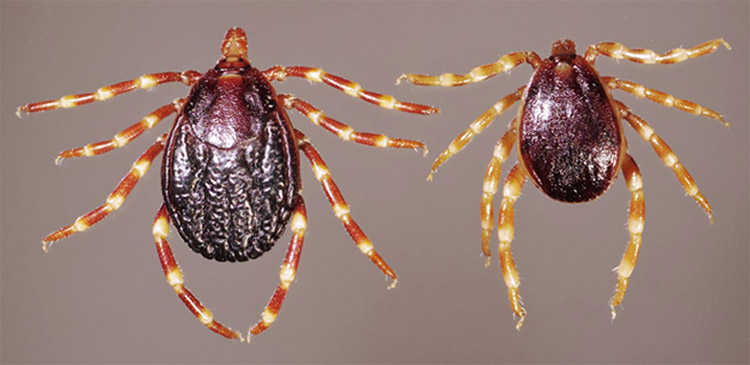
Training school about CCHFV epidemics and collecting, identifying and analysing of Hyalomma ticks

Training school and workshop

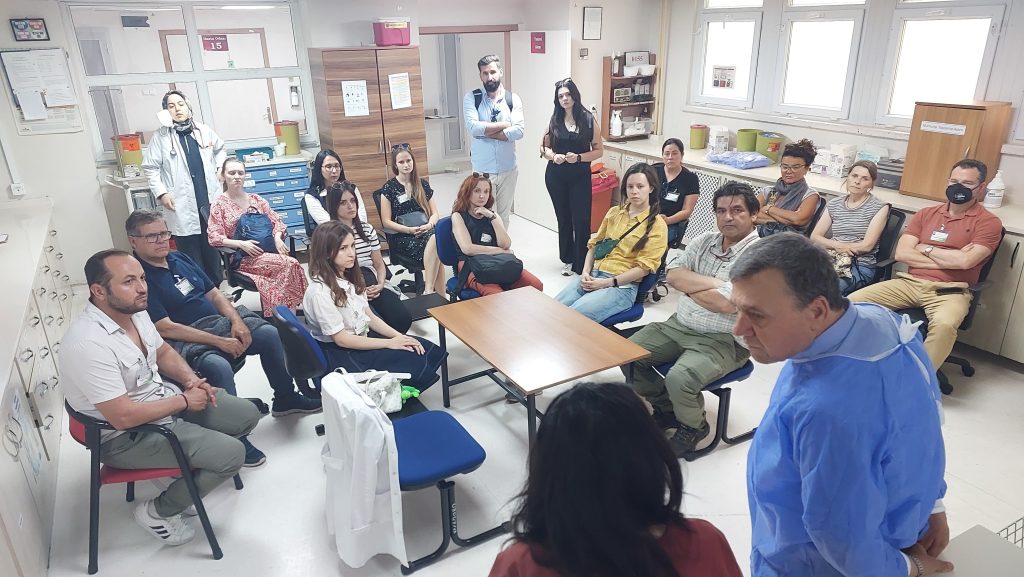
Training School about CCHFV Epidemics and Collecting, Identifying and Analyzing of Hyalomma Ticks

Place: Sivas/Türkiye

Local organizers: Ömer Orkun and Zati Vatansever

Concept Note: Crimean-Congo Hemorrhagic Fever Virus (CCHFV) continues to pose a serious public health threat in many parts of the world, including Türkiye, where the virus is endemic in several regions. Anatolia is not only home to widespread populations of Hyalomma ticks—known vectors of CCHFV—but also represents one of the most significant natural foci of the disease globally. In fact, the largest known outbreak of CCHFV worldwide has occurred in Anatolia and continues to persist today, making the region critically important for research, surveillance, and control efforts.

Understanding the ecology, distribution, and identification of Hyalomma ticks is crucial for improving surveillance, response, and control strategies against the disease. This training school and workshop, to be held in Sivas—a province situated in one of the most affected regions—aims to equip participants with both theoretical knowledge and practical skills related to the collection, identification, and analysis of Hyalomma ticks. The program will include sessions on field sampling techniques, morphological and molecular identification methods, and the epidemiology of CCHFV. A fieldwork component will also allow participants to directly observe and practice tick collection in an endemic area.

Aim of the workshop and training school:

By the end of the event, participants will be able to:

  • Understand the transmission cycle and epidemiology of CCHFV
  • Conduct standardized field collection of Hyalomma ticks
  • Perform morphological identification using taxonomic keys
  • Apply basic molecular tools for pathogen detection
  • Discuss surveillance strategies and data sharing mechanisms

Expected outcomes: 

  • A reference manual on Hyalomma tick collection and identification in endemic areas
  • A shared tick sample and data repository initiated during the workshop
  • Strengthened collaboration among researchers, entomologists, and public health professionals
  • A workshop report summarizing lessons learned and recommendations for future surveillance efforts

AGENDA PRAGMATICK 

Training School & Workshop Türkiye

Training School about CCHFV Epidemics and Collecting, Identifying and Analyzing of Hyalomma Ticks

11, 12 & 13 June 2025

Day 1 (11 June 2025)

09:00-09:15 Welcome by local organizers

09:15-09:30 PRAGMATICK COST Action: the network’s past, present and future, Gábor Földvári

09:30-10:00 Ticks of Türkiye, Zati Vatansever

10:00-10:30 Tick-borne pathogens detected in ticks of Türkiye, Ömer Orkun

10.30-10.45 Coffee break

10:45-11:00 Bioecological features of Hyalomma marginatum, Zati Vatansever

11:00-11:15 Collection methods of Hyalomma ticks, Ömer Orkun

11:15-11:30 Tick prevention, intervention and control measures: Hyalomma marginatum, Münir Aktaş

11:30-11:45 Hyalomma introduction to northern areas and the challenges and preparations for CCHF, Georg Duscher

11:45-12:00: Introduction of an ongoing TÜBİTAK COST2515 project “Phylogeographic investigation on different Hyalomma species in natural foci of Crimean-Congo Hemorrhagic Fever virus: Revealing the virus-vector relationship at the level of population genetics in natural foci where Hyalomma marginatum, Hyalomma excavatum, Hyalomma asiaticum and Hyalomma aegyptium are dominant or sympatric (224O312)”, Ömer Orkun

12:15-12:30 Introduction of an ongoing HE project “Prepare-TID, Gábor Földvári

13:00 Transfer to the University Campus

13:30-14:45 Lunch break

15:00-15:30 Clinical outcomes and treatment in CCHF, Nazif Elaldı

15:30-17:00 Visit to Sivas Cumhuriyet University Hospital’s Infectious Diseases Clinic (in groups)


Day 2 (12 June 2025)

08:00-20:00 Field trip for Hyalomma collection, Ömer Orkun, Zati Vatansever, and Münir Aktaş

Day 3 (13 June 2025) 

09.00-10.30 Morphological identification of the collected tick samples, Ömer Orkun and Zati Vatansever

10.30-11.00 Coffee break

11.00-12.30 Applying basic molecular tools for pathogen detection in tick samples,

12:30 -13:30 Lunch break

13.30-14.30 Discussion and closing ceremony
Training School about application of citizen science to prevent tick and tick-borne disease risk

On September 26-27, 2024, a Training School took place in Novi Sad, Serbia, focusing on the application of citizen science to mitigate the risks associated with ticks and tick-borne diseases. Over the course of the two-day program, participants also had the opportunity to engage in the local Researchers’ Night event. The event was both productive and rewarding, and we look forward to the next meeting with anticipation!

Presentations from the meeting are available below:

1. Welcome from the representative of Centre for Science promotion, Serbia Bojan Kenig – Citizen Science

2. Snežana Tomanović – example of the use of citizen science in project “Talk to Tick”

3. Marina Žekić – example of the use of citizen science in project “Tick Detect”

4. Ilaria Pascucci – Identification and testing of ticks collected from patients

5. Karen Krogfelt – flåtinfo.dk

6. Sally Cutler – Pragmatick communication strategy

7. Gábor Földvári – The PRAGMATICK mobile app

8. Jovana Bila Dubaić –  “Bee hotel and beyond: Citizens on the frontline of bee research – a journey from fear to fascination”

9. Anna Wierzbicka – Don’t play with the tick! Win against TBE

10. Félix Valcárcel and Sonia Olmeda – citizen science and the GARES project

11. Natasha Rudenko – Citizen science project

12. Sally Cutler – Radio Ticks

13. Maja Cvek – Tick collecting in Istria

14. Monika Stefanović-Stojanović – Communication skills of researchers

PROGRAM:

PDF version: Program of Training School in Novi Sad


PRAGMATICK On-line Seminar October 16th

Suzana Blesic:

Methodological approaches to modelling climate drivers of sand fly- and mosquito-borne diseases and related data challenges – experiences form CLIMOS and PLANET4HEALTH projects

Organised by: WG 3

October 16th, 4-5 pm CET

meeting link: CLICK HERE

Meeting ID: 342 715 328 803

Identifier: mXei5e

Training School about application of citizen science to prevent tick and tick-borne disease risk

On September 26-27, 2024, we will be organizing a Training School in Novi Sad, Serbia, focused on the application of citizen science to prevent tick and tick-borne disease risk. During the two-day training, participants will have the opportunity to engage in the local Researchers’ Night event.

Location: CineStar Novi Sad 4DX (BIG Shopping center), Sentandrejski put 11, BIG CEE Novi Sad 21000, Novi Sad, Serbia


Presentations from the meeting are available below:

1. Welcome from the representative of Centre for Science promotion, Serbia Bojan Kenig – Citizen Science

2. Snežana Tomanović – example of the use of citizen science in project “Talk to Tick”

3. Marina Žekić – example of the use of citizen science in project “Tick Detect”

4. Ilaria Pascucci – Identification and testing of ticks collected from patients

5. Karen Krogfelt – flåtinfo.dk

6. Sally Cutler – Pragmatick communication strategy

7. Gábor Földvári – The PRAGMATICK mobile app

8. Jovana Bila Dubaić –  “Bee hotel and beyond: Citizens on the frontline of bee research – a journey from fear to fascination”

9. Anna Wierzbicka – Don’t play with the tick! Win against TBE

10. Félix Valcárcel and Sonia Olmeda – citizen science and the GARES project

11. Natasha Rudenko – Citizen science project

12. Sally Cutler – Radio Ticks

13. Maja Cvek – Tick collecting in Istria

14. Monika Stefanović-Stojanović – Communication skills of researchers


PROGRAM:

PDF version: Program of Training School in Novi Sad


Day 1 – September 26th  9-17h

  • 09.00-09:30            Registration and sign up
  • 09:30-10:00            Welcome from Gábor Földvári chair of the COST action, Hungary

Welcome from the Director of “Scientific Veterinary Institute Novi Sad” and the Local organizers service information

  • 10.00-10.20             Welcome from the representative of Centre for Science promotion, Serbia Bojan Kenig – Citizen Science
  • 10.20-10.35             Snežana Tomanović – example of the use of citizen science in project “Talk to Tick”
  • 10:35-10:55            Marina Žekić – example of the use of citizen science in project “Tick Detect”
  • 10:55-11:20            Coffee break
  • 11:20 – 11:35          Ilaria Pascucci – Identification and testing of ticks collected from patients
  • 11.35-12.00             Karen Krogfelt – flåtinfo.dk
  • 12:00-12:20            Discussion, Q & A
  • 12:20-13:20            Lunch time
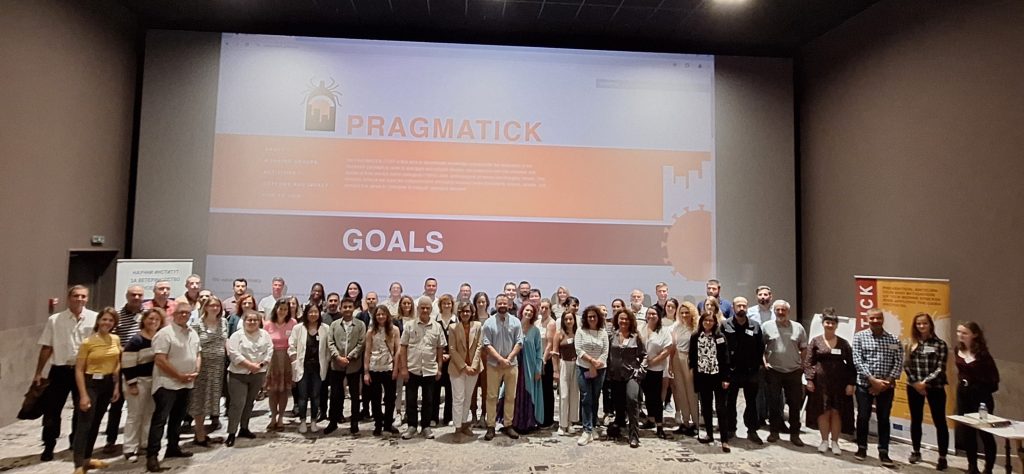
  • 13:20-13:30            Group picture
  • 13:30:13:35             Start of afternoon session with a body wake-up moment
  • 13.35-13.50             Sally Cutler – Pragmatick communication strategy
  • 13.50-15.00             Group work I (Check your name tag for group colour)
  • 15:00-15:10             Coffee break
  • 15:10-16:00             Group reports
  • 16:00-17:00            Q & A,  Discussion and Wrap up of Day 1


Day 2 – September 27th  9-17h

  • 09.00-09.30          Gábor Földvári – The PRAGMATICK mobile app
  • 09.30-10.00          Jovana Bila Dubaić –  “Bee hotel and beyond: Citizens on the frontline of bee research – a journey from fear to fascination”
  • 10.00-10.30           Anna Wierzbicka – Don’t play with the tick! Win against TBE
  • 10.30-11.00           Coffee break
  • 11:00-11:20           Félix Valcárcel and Sonia Olmeda – citizen science and the GARES project
  • 11.20-11:50            Natasha Rudenko – citizen science project
  • 11:50-12:15            Sally Cutler – Radio Ticks
  • 12:15-12:30            Maja Cvek – Tick collecting in Istria
  • 12:30-13:30           Lunch
  • 13.30-14.15            Monika Stefanović-Stojanović – Communication skills of researchers
  • 14.15-15.20            Group work II (Check your name tag for group colour)
  • 15.20-15.30            Coffee break
  • 15.30-16.00           reports after Work group II
  • 16.00-16.30           Q & A, Discussion
  • 16.30-17.00           Wrap up of Day 2 and whole Training School
  • 17:30                       Dinner

20:00-24:00            Visit to the event “Researchers Night” and performance of the “Tick-Quiz” and the tick escape room with children at the event

Website of the event: LINK

Additional information:


Local organizers:

  • If you want to spend a day before or after in Belgrade – please contact Snezana Tomanovic for more info  snezanat@imi.bg.ac.rs
  • If you want info about restaurants and night life – please contact Marina Žekić marina@niv.ns.ac.rs
  • For anything else you can contact Sara Savic sara@niv.ns.ac.rs

Traveling to Novi Sad

  • If you are coming by plane:

The nearest airport is in Belgrade. From Belgrade airport, there is a bus No 600 that goes to train station (about half an hour) and there is a train to Novi Sad (the trip is 37min). This option is cheaper (less than 20e for the bus + the train), but takes time and going around (not too much walking).

There are also taxis at the airport – they are expensive, make sure you agree on the price before you start the travel. We can organize the taxi for you from here, and it is 50-60e per taxi, so if 3 of you share it that is not so expensive. If you choose this option you have to let us know several days earlier.

  • If you are coming by bus: there is an international bus station in Novi Sad, just inform us.
  • If you are coming by train: there is an international train station in Novi Sad, but maybe that trains are coming only to Belgrade, so just inform us.
  • If you are coming by car: make sure you reserve accommodation with parking and inform us


WG3 PRAGMATICK SEMINAR

It is a pleasure to inform you, that the seminar series continue.
the next date:
Monday, December 4, 13-14h

Speakers:

1. Klaus Haslinger: Climate Data
2. Werner Tischhauser: The Swiss Tick Prevention App

The Zoom link will be uploaded later.